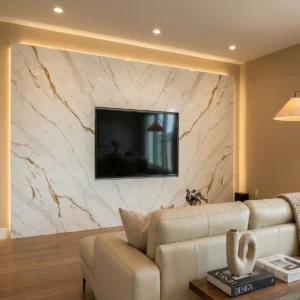




Introduction
Choosing the right quartz countertop thickness is one of those details that decides whether a kitchen feels cheap, just okay, or genuinely high‑end. Many homeowners start with a simple question – 2 cm or 3 cm – but behind that question are deeper worries about safety, cost, and long‑term performance.
At the beginning of a project, people rarely care about millimeters; they care about whether the countertop will crack, whether it will look “thin and flimsy,” and whether they might be overspending on something they do not really need. That is why it helps to look at quartz countertop thickness as a practical tool to solve real‑world problems.
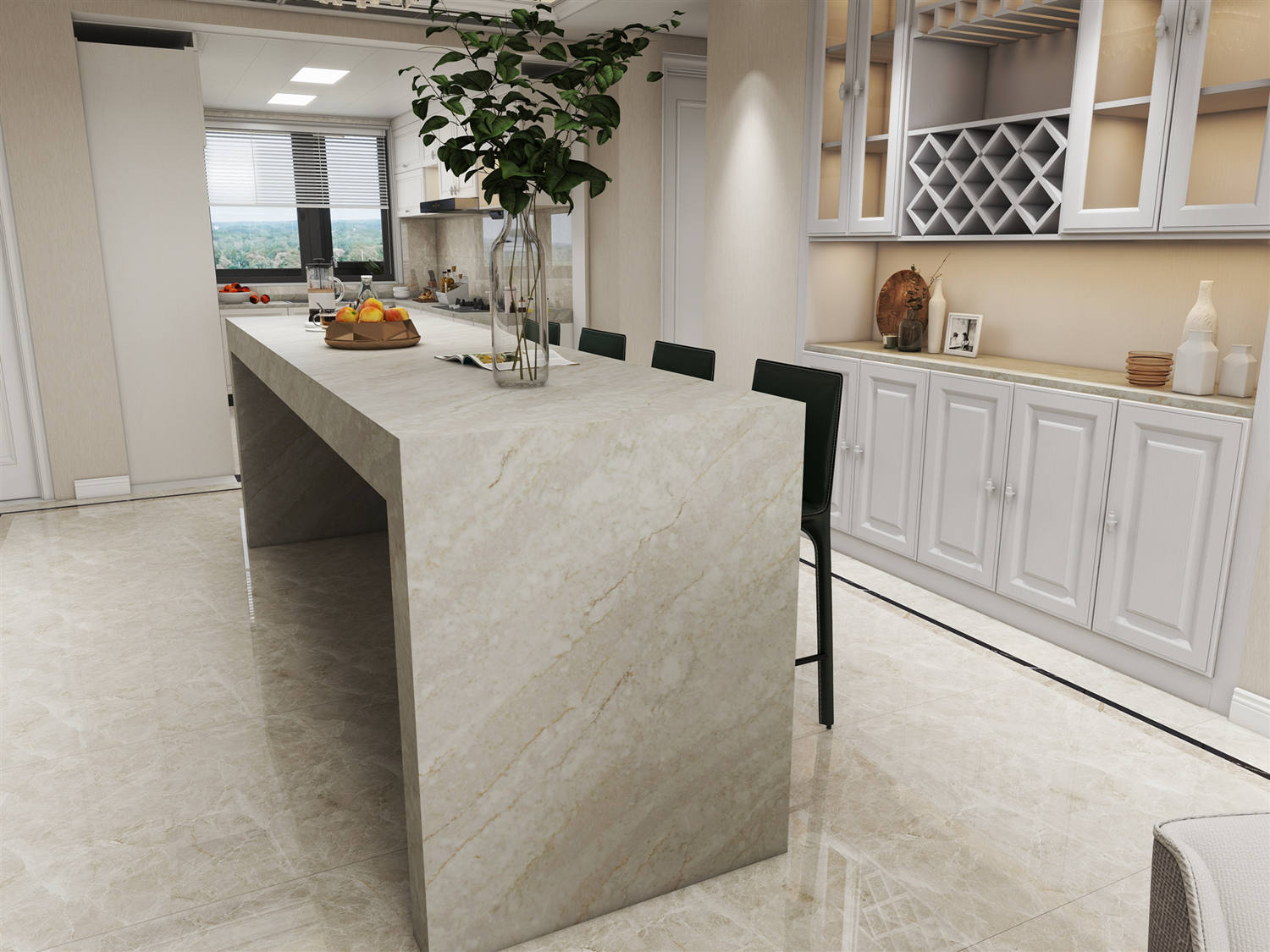
For clients who prefer modern, clean lines, the 2cm option is attractive. A 2 cm quartz countertop gives a sleek, contemporary profile that works beautifully with flat‑panel cabinets and minimalist hardware. Many homeowners who choose 2cm mention that, once the countertop is installed with proper support and a well‑finished edge, guests focus on the color and design, not on the number of centimeters. What matters more to them in daily life is that the surface feels solid under the hand, doors open smoothly, and the kitchen looks like warm and elegant.
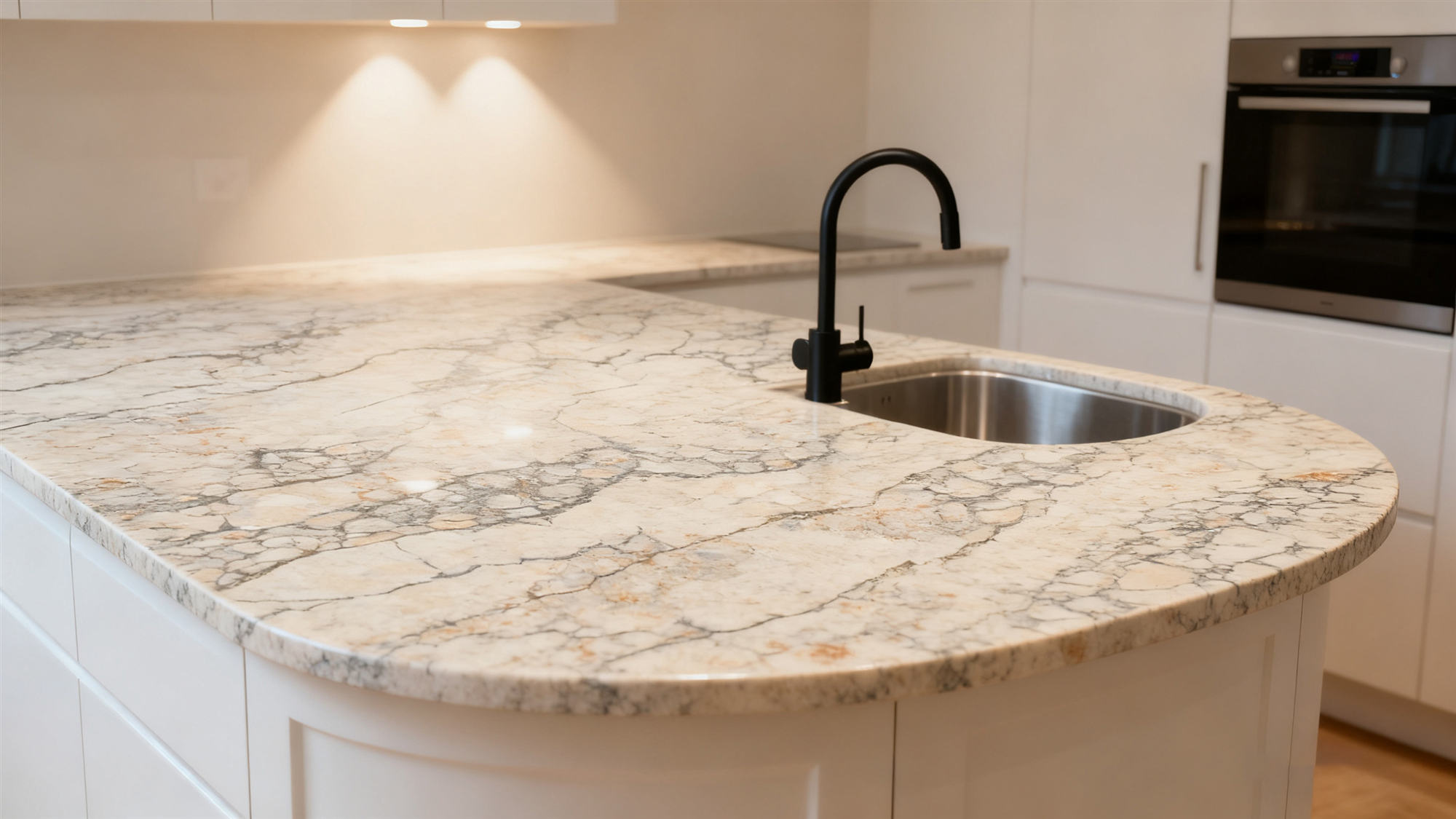
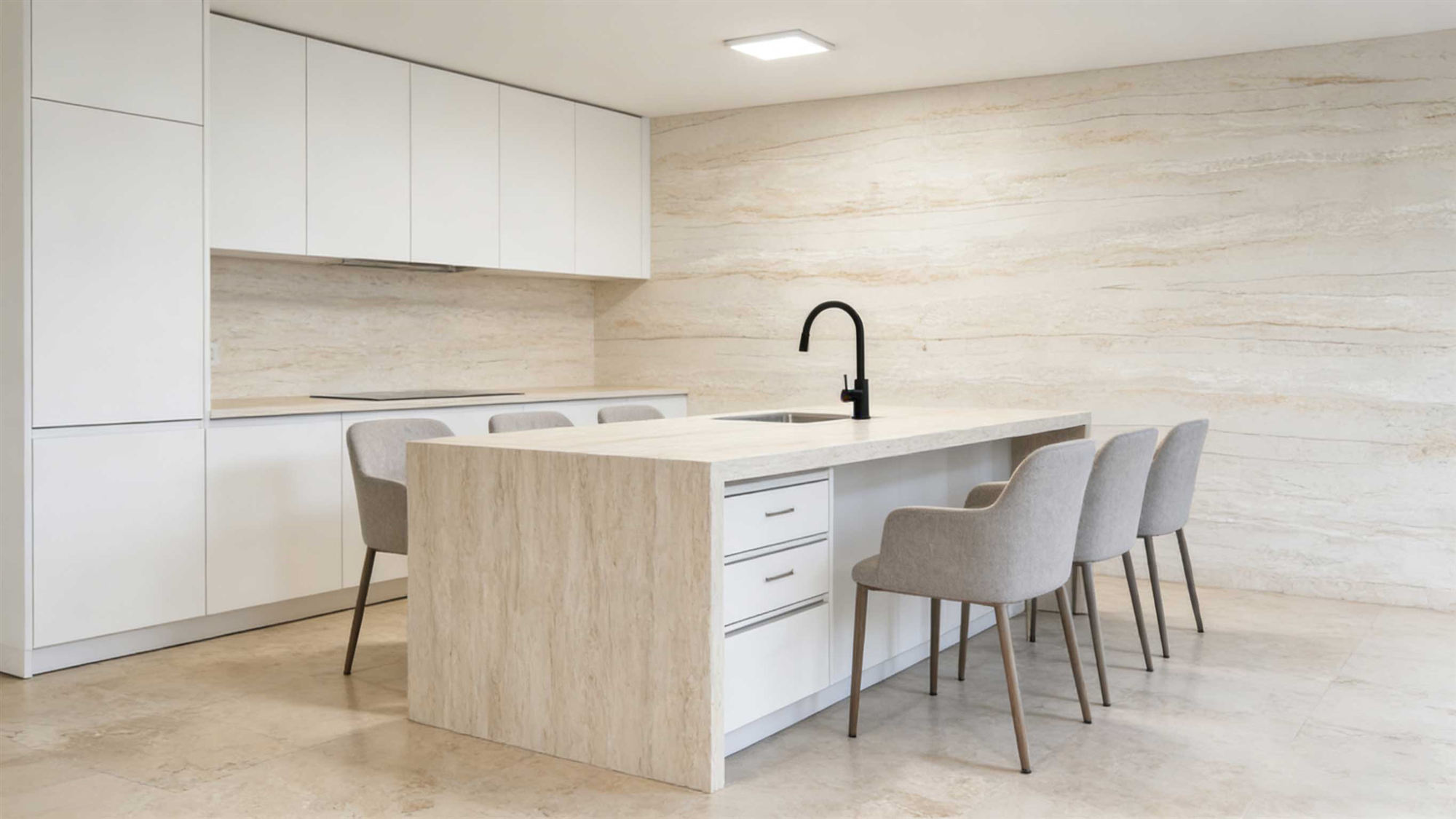
On the other hand, there are kitchens and clients for whom a thicker edge simply feels right. A 3 cm quartz countertop creates a strong, substantial visual line that many people instinctively associate with a luxury stone kitchen. In a large open‑plan space with a dominant island, a thicker profile can anchor the room and make the surface feel more like a centerpiece than a worktop. People often describe this look as “solid” or “reassuring,” especially when they lean on the bar, place heavy pots near the cooktop, or see children sitting along a breakfast overhang.
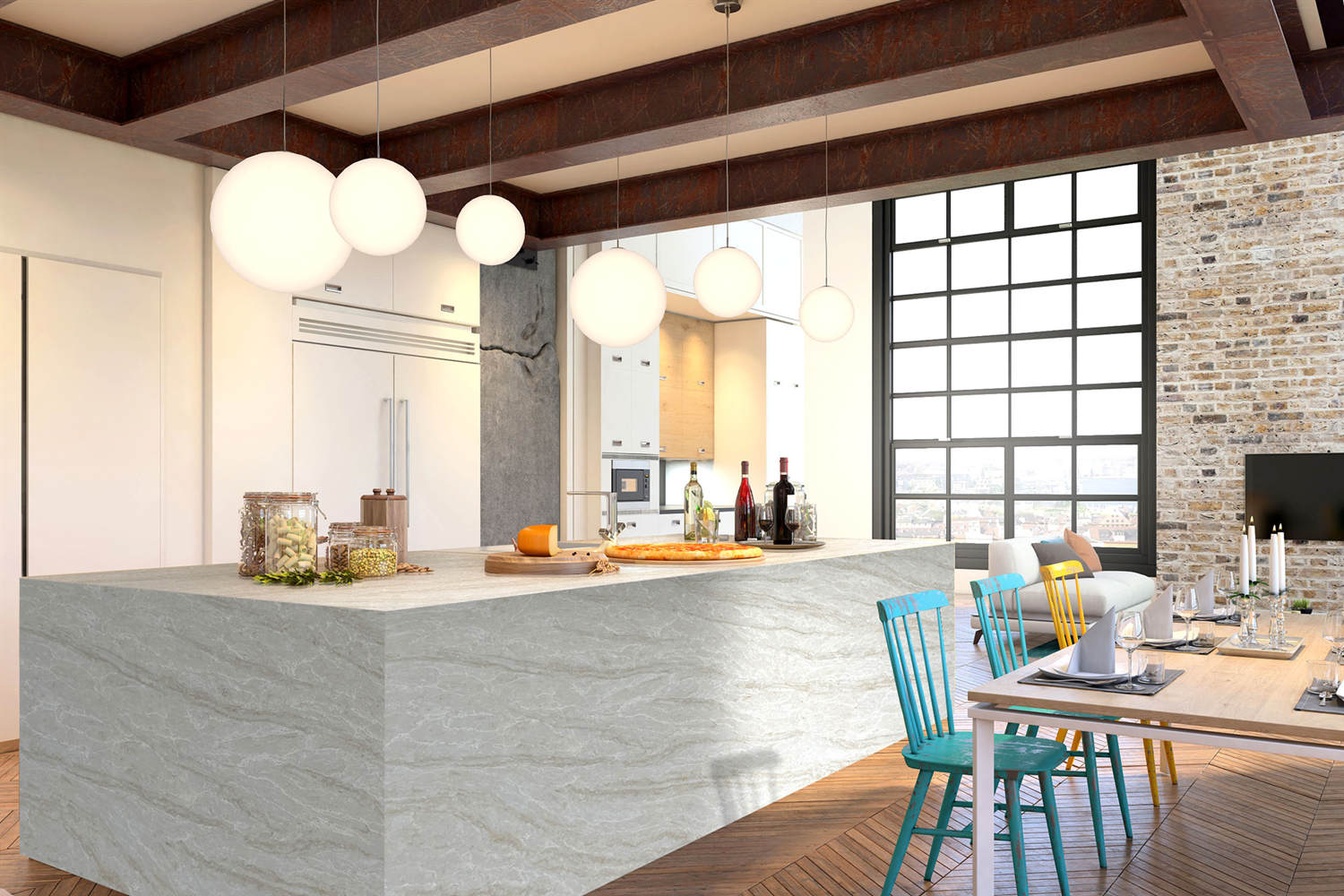
From the perspective of durability, added thickness also enhance the durability of countertops. 3 cm slab can be placed directly on well‑built cabinets without a separate deck, which simplifies site preparation. This becomes important when the design includes deep seating overhangs, long peninsulas, or waterfall tops. With the right support in key areas, the thicker slab offers more tolerance and makes everyone more comfortable when a large group gathers around the island.
Of course, not every client has the same kitchen or bathroom, budget, or project; some care about maximizing resale value; others just want their kitchen countertop looks delicate every time they walk in. So you need to find a professional manufacturer to assit you choose the right options.
How thick should your quartz countertop be
Slim, architectural lines, handleless doors, and integrated lighting usually pair well with a thinner profile, creating a continuous, refined surface. Mordern or luxurious interiors, with framed doors and warm tone materials, a thicker and more substantial edge is well matched. Once the visual direction is clear, it is easier to choose the suited thickness countertop that supports.
Next comes is budget. If the goal is to control investment without losing quality, 2cm countertops can be a sufficient choice for daily use. It allows money to be moved into higher‑grade colors, better sinks, or hardware. 3 cm countertops are chosen when you want a thicker, stronger, more “premium‑feeling” surface with simpler support and more design freedom. They suit large islands, and buyers who care a lot about a solid, luxurious look.
Taken together, all of these points lead to one theme: most countertop failures do not come from choosing 2 cm or 3 cm, but from ignoring how thickness, support, and actual use work together. When that relationship is carefully engineered, both thicknesses can deliver reliable performance for many years; when it is overlooked, even the thickest countertop can eventually fail.
For homeowners and contractors, the most valuable partner is the one who understands these trade‑offs and can translate them into a clear, confident recommendation. The right thickness is the one that fits the design language, matches the structural conditions, all at the same time. When those pieces line up, quartz countertop thickness stops being a confusing technical term and becomes a quiet advantage built into the project from day one.
If you are looking for a professional quartz countertop manufacturer, this is exactly where Grand Quartz Tech comes in. As a leading premium quartz countertop manufacturer in Thailand, we focus on designing, manufacturing, and marketing from slabs to cut‑to‑size jobs for both residential and commercial projects. If you are planning a new project or building a countertop program, you are welcome to reach out to us.